



Siberian Bullfinch care and comparison with British Bullfinch
Species Overview
The Siberian Bullfinch (Pyrrhula pyrrhula pyrrhula) is a northern subspecies of the Eurasian Bullfinch. It is naturally found across Scandinavia, northern Russia and parts of Asia, and is occasionally seen as a scarce winter visitor in the UK. In the hobby it is usually kept as a clearly marked, captive-bred form rather than a wild-caught bird.
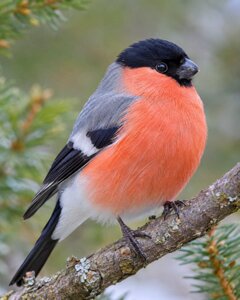
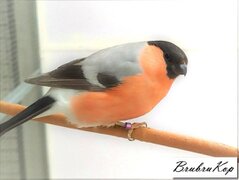
Compared with the British Bullfinch (Pyrrhula pyrrhula pileata), the Siberian form is typically slightly larger and noticeably paler, with cleaner grey upperparts, more extensive white in the wing, and a generally colder overall tone. Males still show the familiar pinkish-red underparts, while females are more brownish-grey, but both sexes often look crisper and less sooty than British birds.
Correct subspecies identification is important when pairing and breeding, both to avoid unplanned hybrids and to keep stud records clear. When in doubt, consult an experienced breeder or use photographs and ring details to help confirm origin.
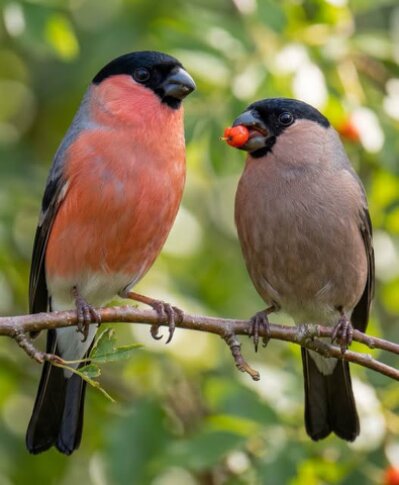
| Feature | Siberian Bullfinch | British Bullfinch |
|---|---|---|
| Scientific name | Pyrrhula pyrrhula pyrrhula | Pyrrhula pyrrhula pileata |
| Overall size | Slightly larger, longer-bodied | Marginally smaller, more compact |
| Upperparts colour | Paler, colder grey mantle and back | Darker slate-grey to sooty mantle |
| Wing markings | More extensive white in wing bar and primaries | Narrower white wing bar, less contrast |
| Underpart tone (male) | Bright pinkish-red, often cleaner and colder-toned | Deep rose-red, slightly richer and darker |
| Underpart tone (female) | Paler buff-brown underparts, cooler grey tones overall | Warmer brown underparts, darker upperparts |
| Natural range | Northern Europe and Asia, including Scandinavia and Siberia | British Isles and nearby parts of western Europe |
| Typical use in UK aviculture | Kept as an attractive northern form; sometimes paired with British birds but best kept pure | Common native type kept for colour, character and song |
Siberian Bullfinches are generally calm, steady birds with a thoughtful, deliberate way of moving. They are rarely as nervous as some smaller finches, but newly acquired birds can still be shy and benefit from a quiet, predictable routine. Their calls are soft piping notes and a gentle song, so noise levels are modest compared with many canaries or siskins.
In comparison with British Bullfinches, many keepers feel the Siberian form is slightly less confiding at first but settles well with patient, consistent care. They are not a suitable choice for children to handle, and should not be treated as hand-pets. Instead, they reward observant keepers who enjoy calm behaviour and subtle song.
Because they are a larger, longer-lived finch with particular legal and breeding considerations, Siberian Bullfinches are best suited to experienced or at least well-prepared intermediate keepers. Keen beginners can succeed if they study the species in advance, have appropriate housing ready, and ideally seek guidance from an established breeder or club.
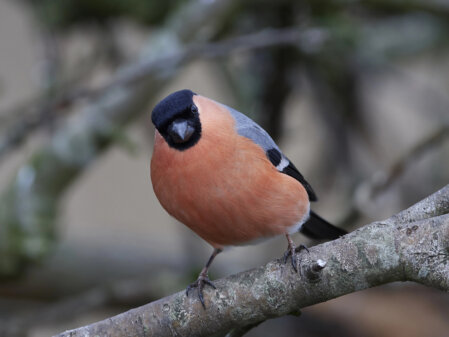
Siberian Bullfinches show at their best in a spacious, well-planted aviary where they can fly, forage and interact naturally. For a pair, an outdoor flight of at least 2 m long is strongly recommended, with solid shelter, varied natural perches and areas of cover such as evergreens or artificial plants. Mixed-species aviaries can work if all birds are compatible in size, temperament and legal status, but avoid overcrowding and monitor for bullying at feeding and roosting sites.
Provide a dry, draught-free shelter area that the birds can access at all times, with secure night-time roosting spots. Flooring should be easy to clean and, where possible, allow for some natural foraging on safe substrate rather than wire alone. Regular cleaning and good drainage are essential to avoid damp and disease build-up.
Provide a dry, draught-free shelter area that the birds can access at all times, with secure night-time roosting spots. Flooring should be easy to clean and, where possible, allow for some natural foraging on safe substrate rather than wire alone. Regular cleaning and good drainage are essential to avoid damp and disease build-up.
If you must use cages, they should be regarded as a compromise or for short-term use (such as quarantine, showing or hospital cages), rather than permanent housing. Choose the largest cage you can accommodate, with more length than height, and with bar spacing appropriate for a bullfinch-sized bird. Avoid round cages and cluttered layouts that restrict flight.
Compared with British Bullfinches, Siberian birds can be a little more tolerant of cold, but captive birds still rely entirely on you for protection. Outdoor aviaries in the UK should offer frost-free shelter in harsh weather, with particular care taken to avoid prolonged damp, chilling winds and sudden temperature swings.
Compared with British Bullfinches, Siberian birds can be a little more tolerant of cold, but captive birds still rely entirely on you for protection. Outdoor aviaries in the UK should offer frost-free shelter in harsh weather, with particular care taken to avoid prolonged damp, chilling winds and sudden temperature swings.
For more general guidance on safe cage and aviary layouts, perch selection and enrichment ideas, you may find it useful to read the club’s broader housing advice. This can help you check that your setup meets good standards before you bring home Siberian or British Bullfinches.
A good Siberian Bullfinch diet centres on a clean, varied finch or bullfinch seed mix, with a sensible proportion of oil-rich seeds (such as sunflower hearts and hemp) balanced by smaller seeds. Offer fresh soft food daily, including egg food, sprouted seeds and a selection of suitable fruits and berries. They particularly enjoy rowan, hawthorn and other berry-type foods when available, mirroring their natural diet.
Compared with many British Bullfinches kept in the UK, Siberian birds may cope slightly better with higher-energy diets in colder weather, but they are still prone to obesity and liver issues if overfed rich seeds or oily treats. Monitor body condition by gentle handling where legal and appropriate, or by careful visual assessment of posture and activity levels.
Always provide clean, fresh water, mineral grit (if you and your vet consider it appropriate) and a cuttlebone or similar calcium source. Any major diet change should be introduced gradually to avoid digestive upset and to allow birds to recognise and accept new foods.
Unsafe or restricted items include avocado, chocolate, alcohol, caffeinated drinks, salty or heavily processed foods, and houseplants of unknown safety. Take particular care with foreign berries or ornamental plants that may be toxic. Vitamin and mineral supplements should be used sparingly and, ideally, on veterinary advice; more is not always better, and a balanced base diet is far more important than multiple additives.
Siberian Bullfinches can breed reliably in captivity when given space, privacy and a calm environment. They usually form strong pair bonds, and many breeders prefer to keep each compatible pair in its own aviary or flight during the breeding season. Provide suitable nesting options such as open finch nests or half-open boxes placed in quiet, sheltered corners with ample nesting material.
Compared with British Bullfinches, some keepers find Siberian birds slightly slower to settle and come into condition, particularly if the birds are moved or disturbed late in winter. Allow them to experience gradual changes in day length and temperature, and avoid pushing them into early or repeated clutches. Responsible breeding means putting the welfare of the pair first and planning ahead for the future of any young birds.
Compared with British Bullfinches, some keepers find Siberian birds slightly slower to settle and come into condition, particularly if the birds are moved or disturbed late in winter. Allow them to experience gradual changes in day length and temperature, and avoid pushing them into early or repeated clutches. Responsible breeding means putting the welfare of the pair first and planning ahead for the future of any young birds.
| Aspect | Recommended practice for Siberian Bullfinches |
|---|---|
| Pair selection | Use healthy, unrelated, captive-bred birds with clear subspecies information; avoid pairing birds of unknown or mixed origin. |
| Record-keeping | Keep written or digital records of parentage, hatch dates, ring numbers and any health issues for each chick. |
| Nest placement | Site nests in quiet, partially screened areas of the aviary; avoid constant traffic and disturbance. |
| Clutch management | Allow a sensible number of clutches per season; rest pairs as needed and avoid continual re-laying. |
| Chick monitoring | Check discreetly to confirm feeding and development; minimise handling unless necessary for welfare or ringing. |
| Hybridisation | Think carefully before crossing Siberian and British Bullfinches; if you do, label and record hybrids clearly and do not misrepresent them. |
| Finding homes | Plan in advance how any surplus young will be placed, ensuring they go only to legal, knowledgeable homes. |
Good welfare starts with observation. A healthy Siberian Bullfinch should be alert, well-feathered and active, with bright eyes, clean nostrils and smooth, balanced breathing. Sudden changes in weight, posture, droppings, appetite or behaviour are all reasons to investigate and, if needed, consult an avian vet.
Common issues in bullfinches include respiratory infections, parasites, obesity and liver problems associated with overly rich diets and low exercise. Outdoor birds may also be exposed to weather stress and wild-bird diseases if hygiene and biosecurity are poor. Quarantine any new birds, practise strict hand and equipment hygiene, and avoid sharing unclean seed or drinkers between flights.
Compared with British Bullfinches kept under similar conditions, Siberian birds do not usually have completely different health risks, but imported stock and birds from mixed backgrounds may carry unknown history. Buying from reputable, welfare-minded breeders and keeping detailed records will help you protect both your own birds and the wider hobby.
There are no reviews yet.
Your opinion is important to us and helps us improve our service.
UK law around keeping and breeding finches is designed to protect wild populations and ensure good welfare. For Siberian Bullfinches, this typically means that birds kept in captivity must be demonstrably captive-bred and lawfully obtained, with any required documentation or rings kept safely. Import routes and paperwork can change, so it is important to buy only from trusted sources who understand the current rules.
Because Siberian Bullfinches are a form of Bullfinch, many of the same principles that apply to British Bullfinches also apply here: do not take birds from the wild, respect closed season protections, and comply with any requirements relating to ringing, proof of origin and sales. Some keepers choose to keep detailed breeding and transfer records even where this goes beyond the legal minimum, as it provides clear evidence of lawful origin and responsible care.
Laws and guidance can change over time. Always check up-to-date information from official sources such as UK government websites, and consider seeking advice from experienced club members or specialist organisations before you import, sell or breed Siberian Bullfinches.
This page offers only a general overview. For a fuller summary of key UK rules on keeping and breeding native finches, and how they apply in practice, please refer to the dedicated legal article on our blog. Always treat hobby information as a helpful starting point, not as formal legal advice, and check the latest official guidance before making important decisions.
Use the links below to explore closely related information. The British Bullfinch page gives a fuller picture of the native form and allows direct comparison with Siberian birds. The Species Overview page helps you see where Siberian Bullfinches sit alongside other British finches and canaries. If you have questions about legality, welfare or whether this is the right bird for you, you can also contact the club directly for friendly, informal advice.