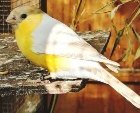

Redpoll care, identification and breeding overview
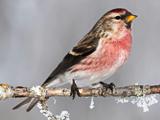
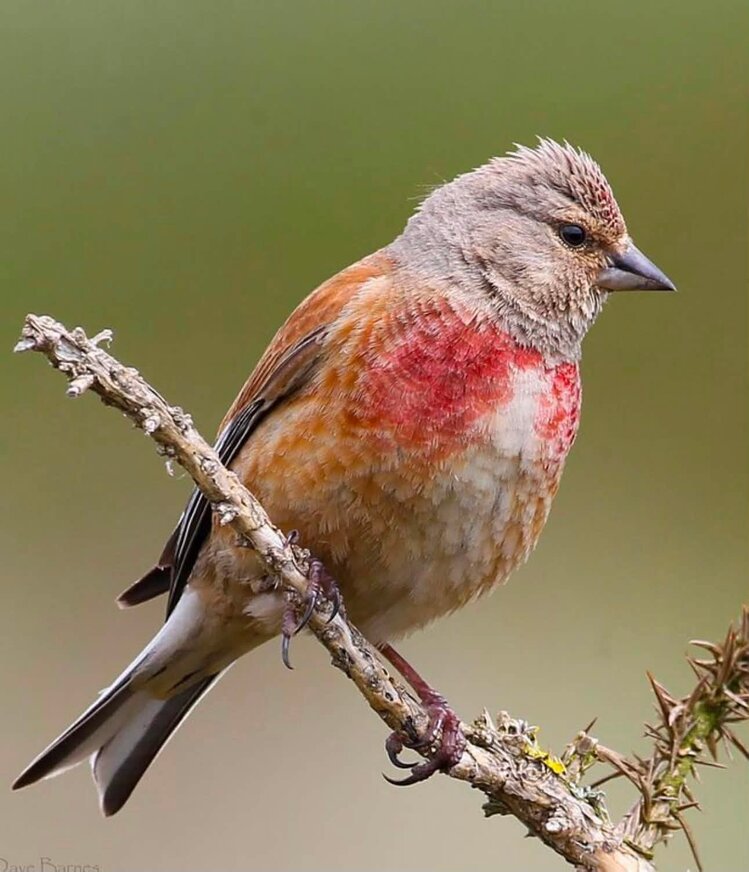
Redpolls are small, active finches belonging to the genus Acanthis. In UK aviculture, the most commonly kept forms are Lesser Redpoll, Mealy (Common) Redpoll and various colour varieties. All are quick, busy birds with a distinctive red forehead, fine bill and streaked brown body. Adult males often show a rosy breast during the breeding season, while females and young birds are more subtly coloured.
In the wild, Redpolls are associated with birch, alder and other seed-bearing trees, and this is reflected in their behaviour in captivity: they are agile climbers, enjoy hanging from twigs and feeders, and make frequent short flights. Their contact calls are light and twittering rather than loud, but a group will be vocal throughout the day.
For UK hobbyists, it is important to focus on captive-bred, properly closed-ringed Redpolls with clear documentation of origin. Wild-caught birds must not be taken or traded. When obtained from reputable breeders, Redpolls can be hardy, long-lived finches that do well in well-managed cages or aviaries, provided their need for space, security and appropriate diet is fully met.
Redpolls are lively, alert birds that tend to be more nervous and flighty than many canary strains and some of the larger British finches. They dislike sudden movement close to the cage or aviary and are best kept somewhere relatively calm, with predictable routines and gentle handling during feeding and cleaning.
They are not usually aggressive, but they can become assertive around food and during the breeding season. Keeping them in compatible pairs or small, well-matched groups, with plenty of space and multiple feeding points, helps to reduce tension. Mixed-species setups should be planned carefully; Redpolls are often best with other small, active finches that share similar needs, rather than with much larger or very dominant birds.
Because of their activity level, sensitivity to stress and specific dietary requirements, Redpolls are often better suited to keepers with some prior experience of British finches or canaries. A keen and well-prepared beginner can keep them successfully by reading up in advance, starting with a small number of birds and asking for advice when unsure.
Redpolls are active fliers and benefit from as much length as possible in their cage or aviary. A single pair should not be kept in a small show cage except for very short periods. For daily living, aim for a flight-style cage with good length, or an indoor or outdoor aviary that allows several wing beats in a straight line. Horizontal space is more important than height.
Provide a mix of natural perches (for example, untreated birch, alder and willow) of varying diameters so that feet and joints are well exercised. Avoid relying only on uniform dowel perches. Redpolls enjoy light, twiggy branches that they can explore and pick at. Ensure all wood is safe, clean and pesticide-free.
Offer shelter from wind, rain and direct sun, especially in outdoor setups. A covered section or indoor shelter with dry, clean perches is essential in poor weather. Good ventilation is important, but draughts should be avoided. Keep the environment clean by spot-cleaning frequently and carrying out regular, more thorough cleans to control dust, droppings and parasites.
Enrichment can include small swings, safe hanging toys, fresh branches, safe grasses and seed heads, and scattered food to encourage natural foraging. Always check that any items you introduce are non-toxic and pose no risk of entanglement.
A good Redpoll diet is based on a high-quality finch seed mix with an emphasis on small seeds such as canary, various millets and suitable niger/rape seed components. Avoid very oily mixes intended for larger hookbills. Many keepers offer a separate pot of niger seed, which Redpolls often relish, but it should not be the only food source.
Alongside the base mix, provide a good soft food or egg food several times a week outside the breeding season, and more regularly when birds are rearing young or moulting. Small amounts of finely chopped greens (for example, chickweed, dandelion leaves, young spinach) and safe wild seeding grasses are valuable, especially in spring and summer. Always wash wild plants thoroughly and avoid roadside or sprayed areas.
Fresh, clean water must be available at all times, and should be changed daily. Many Redpolls also appreciate the opportunity to bathe in shallow dishes of water, which should then be removed once they have finished to keep the cage or aviary dry.
Grit, cuttlefish bone and a suitable mineral source should be provided so that birds can regulate their own intake of calcium and trace elements. Avoid sudden changes of diet; when introducing new foods, do so gradually and observe how the birds respond.
In the UK, Redpolls typically come into breeding condition in spring as the days lengthen. Pairs should be well settled, healthy and on a stable diet before the season begins. Overcrowding and rushing birds into breeding rarely ends well; it is better to keep fewer pairs in good conditions than many pairs in cramped or poorly prepared housing.
Provide suitable nest sites such as small, open finch nests or half-open nest boxes placed in quiet, sheltered positions. Many breeders line the nest with fine nesting material such as coconut fibre, soft grasses and hair. The hen usually builds the nest, while the cock defends the territory and feeds her.
A typical clutch ranges from 3–5 eggs, with incubation starting after the last or second-to-last egg is laid. Incubation is mainly by the hen and lasts around two weeks, depending on conditions. Once hatched, chicks need a plentiful supply of soft food, live food if used, and suitable small seeds, all offered fresh and frequently.
Responsible breeding includes keeping accurate records, ensuring all youngsters are correctly and legally ringed, and planning ahead so that any surplus birds can be placed in suitable, knowledgeable homes. Avoid over-breeding from the same pair or line, and never breed from birds that show signs of illness or weakness.
Good daily care and observation are the foundations of Redpoll health. Birds should be bright-eyed, active, well-feathered and maintaining a steady weight. Warning signs include sitting fluffed for long periods, reduced appetite, laboured breathing, dirty vent feathers, overgrown claws or beak, and changes in droppings.
Common issues in small finches can include internal and external parasites, respiratory problems, enteritis and injuries from panic flights in poorly arranged cages. Keeping housing clean, providing good ventilation without draughts, and avoiding overcrowding greatly reduces risk. New birds should ideally be quarantined before joining an existing group.
If you suspect illness, seek advice from an experienced avian vet or a very knowledgeable breeder as soon as possible. Do not attempt to treat serious conditions with random over-the-counter products. Welfare should always come first, even if that means reducing the number of birds kept or changing your setup.
Routine welfare also includes providing appropriate social contact, mental stimulation and a sense of security. Redpolls should not be left in bare or stressful environments, and they should have somewhere quiet to retreat to at night.
Redpolls are native-type finches and are therefore covered by UK wildlife and captive bird legislation. This page offers only a general overview; always check up-to-date official guidance and, if needed, seek specialist advice. Laws and recommended practices can change.
As a general principle, only captive-bred, properly closed-ringed Redpolls with evidence of legal origin should be kept, bred or traded. It is illegal to take wild birds from the countryside or to buy, sell or possess birds that you know, or should reasonably suspect, are wild-caught. Keep all paperwork, ringing details and any transfer records safely.
There may be specific requirements in relation to licences, marking and record keeping for certain species or circumstances. Make sure you understand what applies to you before acquiring birds or offering them for sale. When in doubt, err on the side of caution and seek clarification from the relevant authority.
When using the club’s Ads & Questions area, you must follow the site’s welfare and legal rules. Ads that appear to involve illegally sourced birds or poor welfare will not be approved. This protects the birds, the keepers and the wider reputation of the hobby.