
Bullfinch care, temperament and legal guidance
Species Overview
Bullfinches are typically calm, steady birds rather than highly active fliers. Many keepers describe them as gentle and thoughtful, but also a little reserved with strangers.
Taming and interaction. Hand-reared or carefully socialised birds can become very tame, taking food from the hand and remaining relaxed during routine tasks. Aviary-kept birds may stay more wary and should not be forced into close contact.
Sensitivity to disturbance. Bullfinches can be sensitive to sudden noise, crowding and constant change. Place them where they can observe household activity without being surrounded by it. Avoid frequent cage moves or loud music close by.
Suitability for beginners. A patient beginner who has read up on legalities and is prepared to offer a quiet, stable environment may do well with Bullfinches. They are not ideal for children to handle, and they should never be kept purely as “ornaments”.
Routine handling tips. Keep handling calm and predictable, limit chasing with a net, and use gentle voice and slow movements. Plan health checks and cleaning so birds are caught and restrained for the shortest possible time.
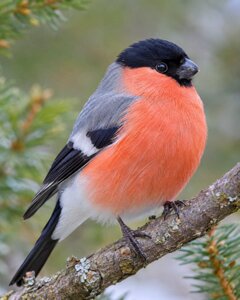
Bullfinches are relatively quiet finches but still require generous space to move, stretch and exercise.
Cage and aviary size. For a single pair, a wide indoor cage is the bare minimum; a well-designed outdoor or indoor–outdoor aviary is strongly preferred. Focus on length and height rather than depth so the birds can fly in short bursts rather than hop from perch to perch.
Perches and layout. Offer a mix of natural wood perches of varying diameters, positioned so droppings do not fall into food or water. Include some higher, partially sheltered perches where shy birds can rest out of direct view.
Plantings and cover. Bullfinches appreciate planted aviaries with safe shrubs, evergreens and dense cover that mimic hedgerows. Provide some open space for flight and some thicker cover for security and nesting (if breeding is planned and legal).
Location and climate. Choose a quiet, draught-free spot away from kitchens, heavy smoke or aerosols. Outdoor aviaries must offer shelter from wind, rain and direct sun, plus protection from predators and vermin. In colder areas, consider a sheltered night shelter or indoor retreat.
Hygiene and enrichment. Clean perches, trays and feeding areas regularly to prevent disease. Offer visual interest with safe branches, seasonal browse and occasional soft toys or foraging-style feeders, but avoid cluttering flight space.
In the wild, Bullfinches feed heavily on buds, seeds and soft plant material. Captive diets should reflect this variety while staying safe and balanced.
Base diet. Offer a good-quality finch seed mix suited to British finches, with appropriate small seeds and limited oily seeds. Avoid mixes dominated by large sunflower seeds or peanuts.
Soft food and fresh items. Provide a suitable soft food or egg food several times per week outside the breeding season, and more regularly when breeding or rearing young. Add finely chopped safe greens, such as chickweed, dandelion leaves, groundsel and other non-sprayed garden plants known to be bird-safe.
Fruits and seasonal variation. Small amounts of berries and soft fruits (for example, apple, pear, rowan berries) can be offered, always washed and in moderation. Adjust quantities according to the birds’ condition to avoid excessive weight gain.
Grit, minerals and water. Provide access to appropriate mineral supplements as recommended for finches, plus fresh, clean water at all times. Replace water at least once daily and more often in hot weather or if soiled.
Foods to avoid. Never feed chocolate, alcohol, avocado, salty or heavily processed foods, or anything mouldy or spoiled. Take care with garden plants and branches to ensure they are not treated with pesticides or harmful chemicals.
This overview is intended for responsible, legal breeding in line with current UK regulations. Always confirm up-to-date legal requirements before pairing birds.
Season and conditions. Bullfinches typically come into breeding condition in spring as day length and temperatures rise. A settled pair, good diet (including suitable soft food) and a calm, secure aviary are essential foundations.
Nest type and placement. Pairs usually accept open or half-open nests placed within or close to dense cover, such as evergreen shrubs or artificial brush. Provide several possible nest sites at different heights so the pair can choose.
Clutch size and rearing. Typical clutches range from 4–5 eggs, though this can vary. Both parents play a role in feeding chicks. Avoid over-breeding by limiting the number of rounds and allowing birds time to recover.
Pairing and record-keeping. Only pair healthy, compatible birds of known origin. Keep clear written records of parentage, hatch dates, ring numbers and any transfers. These records help with welfare decisions, reduction of inbreeding and legal proof of captive breeding if required.
When not to breed. Do not attempt breeding if you cannot house and care for additional birds or if you are unsure about legal obligations. It is better to enjoy Bullfinches as non-breeding companions than to risk welfare or compliance problems.
Good daily care and observation are the best ways to protect Bullfinch health.
Routine observation. Get to know your birds’ normal weight, posture, droppings and behaviour. Early signs of illness can include fluffed feathers, reduced activity, changes in droppings, laboured breathing or sitting low on the perch or cage floor.
Common issues. Like many finches, Bullfinches can be prone to respiratory problems in damp, poorly ventilated housing, and to digestive upsets linked to poor hygiene or unsuitable food. External parasites may appear if new birds or wild material are introduced without care.
Preventative care. Quarantine new arrivals before adding them to an existing collection. Maintain strict hygiene, avoid overcrowding, and ensure good ventilation without draughts. Provide appropriate bathing opportunities so birds can keep their plumage in good condition.
Veterinary support. Establish contact with an avian vet who understands small passerines. Seek professional advice promptly if a bird appears unwell, rather than relying on guesswork or generalised treatments.
Welfare first. Always make decisions about numbers kept, breeding plans and transfers based on the birds’ long-term welfare. If you are unsure, ask for advice through the club or your vet before acting.
This section provides general information only and is not legal advice. Laws can change, and you are responsible for checking current UK regulations before acquiring or breeding Bullfinches.
Protected status and wild birds. Wild British Bullfinches are protected. It is illegal to take birds, eggs or nests from the wild. Captive birds must come from lawful, captive-bred sources.
Proof of captive breeding. Keepers are generally expected to hold clear evidence that their birds are captive-bred, such as closed rings and accurate breeding or purchase records. Retain receipts, transfer notes and ring details for all birds you keep or sell.
Ringing and identification. Many keepers use closed rings applied to nestlings to provide permanent identification. Ensure any rings used comply with relevant rules and can be matched to your written records.
Buying, selling and advertising. When buying or selling Bullfinches, ensure all transactions comply with current wildlife and animal welfare legislation. Adverts on this site must meet UK welfare and legal requirements and may be declined or edited if they do not.
Staying up to date. Always check official UK guidance, and if needed seek specialist legal or veterinary advice. The British Finch & Cage Bird Club cannot accept responsibility for how you interpret or apply this information.